

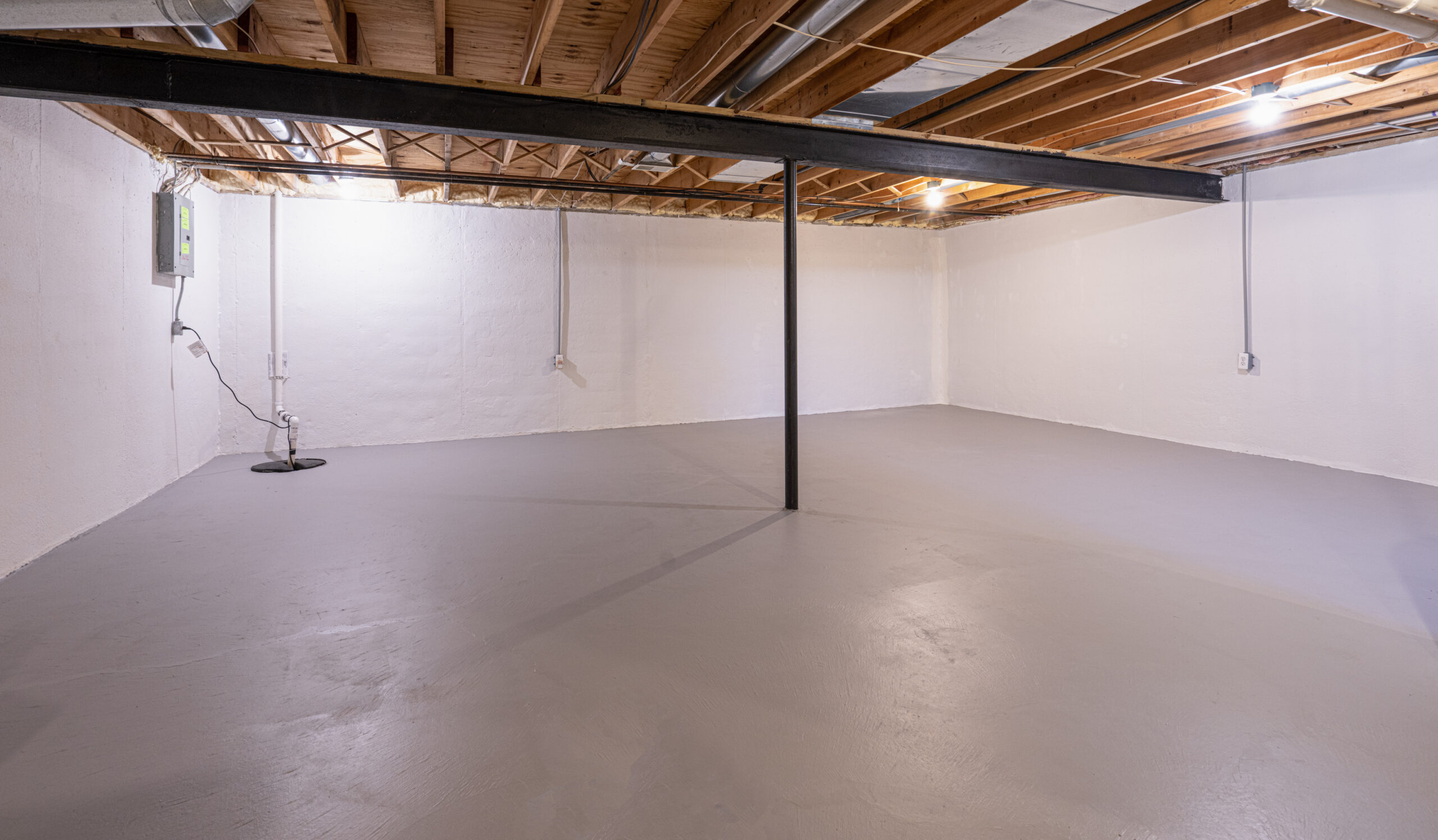
Buying a house in Wisconsin is exciting, especially when you find a property that checks your boxes on location, curb appeal, and price. But before your heart is set, there is one space that can make or break your long-term happiness and your budget: the basement. At Legacy Realty Group, we guide buyers across Southeastern Wisconsin through smart, practical basement checks so you can move forward with confidence. If you are buying a house in Wisconsin, this guide shares the four basement checks we insist on to protect you from costly surprises.
Why the Basement Matters When Buying a House in Wisconsin
Wisconsin basements take a beating. Freeze-thaw cycles, spring snowmelt, clay soils, and summer humidity all put pressure on foundations and water management systems. A basement in great shape signals a well-cared-for home. A troubled basement can point to future expenses you deserve to understand before you make an offer. That is why, when you tour with Legacy Realty Group, we slow down in the basement and look beyond the obvious. Our mission is to help you love the right home for the right reasons, not just the pretty kitchen upstairs.
The 4 Things We Always Check in a Wisconsin Basement
1. Water Management and Moisture History
Water is the number one basement issue we look for when you are buying a house in Wisconsin. Even small moisture problems can grow into mold, musty odors, damaged finishes, and structural concerns. We look for systems that keep water out and signs that water has been a past guest.
- Sump pump and drain tile: We locate the sump pump, check that it is plugged in, and look for a backup pump or battery. We also ask about interior or exterior drain tile and when it was installed.
- Discharge location: We check that discharge lines send water far from the foundation and are not blocked, frozen, or too close to the house.
- Efflorescence and staining: White chalky residue on walls, discoloration on concrete, and tide lines on posts can reveal water intrusion history.
- Dehumidifier use: A dehumidifier in summer is common in Wisconsin. We check if the area smells musty or feels damp even with one running.
- Gutter and grading clues: While we focus on the basement, we also ask about exterior grading and gutters. Poor grading and short downspouts are major culprits for wet basements.
Red flags include standing water, active drips, rusty bottom plates on framed walls, soft or rotten baseboards, and a sump pit that never cycles but still shows wet floors. Green flags include a clean, covered sump pit, a battery backup, proper discharge, and walls that are dry to the touch with no staining. If concerns pop up, we help you estimate solutions, from simple gutter fixes to full drain tile projects, so you can make a sound decision.
2. Foundation and Structural Integrity
A strong foundation is non-negotiable. Wisconsin’s heavy soils and freeze-thaw patterns can shift and press on walls. During showings, the Legacy Realty Group team takes a careful look at the following:
- Crack type and direction: Hairline vertical cracks are common and often cosmetic. Horizontal cracks, stairstep cracks in block walls, or bowing walls need a specialist’s review.
- Movement and deflection: We sight down long wall runs and look for bulges or leaning. We also check for telltale patches that might hide prior repairs.
- Support posts and beams: We make sure posts are plumb and seated on proper footings. Temporary jack posts can signal previous settlement.
- Floor level and heaving: Uneven concrete can indicate hydrostatic pressure or past settlement.
- Wood contact and rot: We look at sill plates, rim joists, and the bottoms of any framed walls for moisture damage, insect activity, or rot.
If we see signs that a foundation contractor should evaluate, we say so plainly. Not every crack is a crisis, and many repairs are straightforward with anchors or braces. The key is clarity. When you are buying a house in Wisconsin, you deserve to know if the foundation invites routine maintenance or a large future investment.
3. Air Quality and Safety: Radon, Ventilation, and Egress
Basement air quality impacts the whole home since air moves upward through the stack effect. Southeastern Wisconsin has known radon pockets, and testing is common. Our team discusses air quality and safety in three simple buckets.
- Radon testing and mitigation: We ask whether the home has been tested recently and if a mitigation system is installed. We look for a sealed sump cover, a vent pipe running through the attic or outside, and a fan running quietly. Many buyers are surprised that mitigation is often affordable compared to other repairs, and it works well when installed correctly.
- Mold and mildew indicators: Musty smells, visible growth, or staining behind finished walls are caution signs. We look closely near mechanicals, under stairs, and around rim joists.
- Egress and safety: If a lower level is advertised as a bedroom or sleeping area, we check for a proper egress window or door. We also note smoke and carbon monoxide detectors on the lowest level and whether combustion appliances are properly vented.
Our advice is simple. Do not skip radon testing when buying a house in Wisconsin. If levels are high, a seller credit or installation before closing can resolve the issue. For suspicious odors or visible growth, we recommend a licensed inspector. We are not inspectors, but we use our experience to flag what matters and bring in the right pros.
4. Major Mechanicals and Future Upgrade Costs
The basement holds the brain and heart of the home. A quick assessment of age, condition, and capacity helps us estimate near-term expenses for buyers. Legacy Realty Group checks the following:
- Furnace and air conditioner: We note manufacturer dates, service stickers, and filter condition. A well-maintained system can last, while neglect is a warning sign.
- Water heater: We look at the age, the relief valve, and signs of corrosion or leaks. Oversized families may need larger capacity or tankless options.
- Electrical panel: We check amperage, overall organization, and whether there is room to expand. We look for GFCI protection near sump pumps and laundry areas.
- Plumbing: We look for PEX, copper, or older galvanized supply lines. We also check for a visible main shutoff, a sewer cleanout, and any signs of slow leaks.
- Insulation at the rim joist: Proper insulation here prevents drafts and improves comfort on the main level.
These observations help us set realistic expectations. If the furnace is 22 years old, we will talk about budgeting for replacement. If the panel is maxed out, we will discuss potential upgrade costs if you plan to finish the basement later. This is how we protect your wallet while you focus on the fun parts of home shopping.
How These Basement Checks Protect Your Wallet and Peace of Mind
When you are buying a house in Wisconsin, a basement review is not about nitpicking. It is about planning. A well-run sump pump and clean drain tile can save you from thousands in water damage. A verified radon level keeps your family safe. Knowing whether a foundation wall is cosmetic or structural helps you bid with confidence. Even better, well-documented findings can strengthen your negotiation stance and protect your earnest money if an inspection reveals bigger issues.
What We Do During Your Basement Walk-Through
Legacy Realty Group has a friendly, methodical approach we use at every showing. Here is what to expect when we tour a home in Waterford, Burlington, Franklin, Lake Geneva, Mount Pleasant, Mukwonago, Muskego, Oak Creek, or Union Grove.
- We pause before heading downstairs and ask about any known water, radon, or foundation issues noted in the listing or seller disclosures.
- Once in the basement, we make a slow loop around the perimeter, gently tapping and visually inspecting walls, posts, and corners.
- We spot and photograph mechanical labels to confirm ages and service notes, then check for leaks and corrosion.
- We evaluate the sump pump setup, look for backup systems, and trace discharge lines.
- We stop and talk. If something concerns us, we explain it clearly and suggest next steps, which may include a specialist inspection.
This quick but thorough routine helps you decide how serious to be about a property before spending money on a full inspection. If you want to move forward, we connect you with trusted inspectors who serve Southeastern Wisconsin and will provide a detailed report.
When to Negotiate, When to Budget, and When to Walk Away
Every home is different, and your plans matter. Here is a simple guide we use with our buyers.
- Negotiate now: Significant foundation deflection, active water intrusion, high radon with no mitigation, or aging mechanicals that impact basic livability are all items we try to address in the offer through price, credits, or seller repairs.
- Budget soon: A furnace or water heater near end-of-life, minor cracks that need sealing, or adding a sump backup are common near-term expenses that you can plan for in year one or two.
- Consider walking: Multiple major issues combined, unresolved structural movement after a specialist review, or water intrusion that the seller will not address can be reasons to keep looking.
Our role at Legacy Realty Group is to advocate for your best interest. That means we do not push you to love a home that does not love you back.
Local Insight Across Southeastern Wisconsin
As a locally rooted firm in Waterford, Legacy Realty Group understands the subtle differences between neighborhoods and communities. Homes near lakes in Lake Geneva and Muskego may face high water tables or seasonal moisture. Properties in older parts of Burlington, Oak Creek, or Franklin can have legacy materials and past repairs worth a closer look. Newer builds in Mount Pleasant or Union Grove often have modern drain tile systems, yet still benefit from a radon test and sump backup plan. No matter where you are buying a house in Wisconsin, we tailor our advice to the area, the era of the home, and your goals.
Meet Legacy Realty Group
Legacy Realty Group is proud to serve Southeastern Wisconsin from our office at 401 N. Milwaukee St, Suite 1, Waterford. We specialize in residential real estate and bring a tradition of trust to every client. Our team includes experienced brokers and agents like Tim Vandeville Jr., Broker and Owner, and Rae Ann Peters, Broker Associate, along with a dedicated group of licensed Realtors who provide personal, attentive service. We offer comprehensive buying support with advanced search tools, featured listings, map-based searches, and open house resources. For sellers, we deliver tailored marketing strategies, market analysis, and professional guidance. We also provide community insights to help you choose the perfect neighborhood. Learn more at trustinlegacy.com.
Frequently Asked Questions About Basements When Buying a House in Wisconsin
Do all Wisconsin homes need a sump pump?
Not all, but many do, especially in areas with clay soils or near lakes and rivers. If a home does not have a sump pump, we still look for signs of historical moisture and ask about drain tile, exterior grading, and gutter maintenance. If there is a pump, a backup system is a smart upgrade.
Should I avoid a house with foundation cracks?
Not necessarily. Many homes have hairline, vertical cracks that are common and manageable. Horizontal or stairstep cracks, bowing walls, or shifting need a professional evaluation. We help you understand the type of crack, the likely cause, and options to repair or negotiate before you decide.
How expensive is radon mitigation?
Costs vary by home size and layout, but many systems in Southeastern Wisconsin fall into a moderate price range for the peace of mind they bring. Mitigation is common, effective, and often negotiated with the seller after testing. We recommend every buyer test for radon.
Can I count a finished basement as living space?
It depends. For rooms marketed as bedrooms, you need a proper egress window or exterior door and adequate ceiling height. We also want to confirm moisture control, safe electrical, and proper heat distribution. We will help you verify local standards and code considerations.
Will I need flood insurance?
Only properties in certain flood zones require flood insurance by lenders. We review flood maps, look for past flood claims, and consider local drainage. If you are near a lake or river, extra diligence is wise. We can connect you with insurance partners who will confirm your exact risk.
A Simple Basement Checklist to Bring on Showings
Use this quick list while you tour, especially if you are buying a house in Wisconsin for the first time. If anything raises questions, we will dig deeper together.
- Look and sniff for musty odors or visible moisture.
- Find the sump pump, check for a backup, and look at the discharge path.
- Scan walls for cracks, staining, or bowing.
- Note mechanical ages and general upkeep.
- Ask if there has been radon testing and look for a mitigation system.
- Confirm a legal egress if a basement bedroom is advertised.
Why Partner With Legacy Realty Group
Choosing the right agent is as important as choosing the right house. Legacy Realty Group blends professional expertise with genuine care. Our approach is friendly, thorough, and always honest. We focus on education so you can make a confident choice. With deep local knowledge of Waterford, Burlington, Franklin, Lake Geneva, Mount Pleasant, Mukwonago, Muskego, Oak Creek, and Union Grove, we spot what others miss and explain what it means for your budget and your plans. Buying a house in Wisconsin should feel exciting, not overwhelming. When you are ready, our team is here to guide you at every step, from the first tour to the final signature.
Ready to Shop Smart and Fall in Love With the Right Home?
If you are buying a house in Wisconsin and want a trusted local partner to protect your interests, reach out to Legacy Realty Group. Visit us at 401 N. Milwaukee St, Suite 1, Waterford, or explore our resources at trustinlegacy.com. We will help you check the basement, understand the big picture, and write offers that reflect both your heart and your head. That is the Legacy Realty Group difference, and it is how we keep our tradition of trust alive with every client we serve.









Leave A Comment