

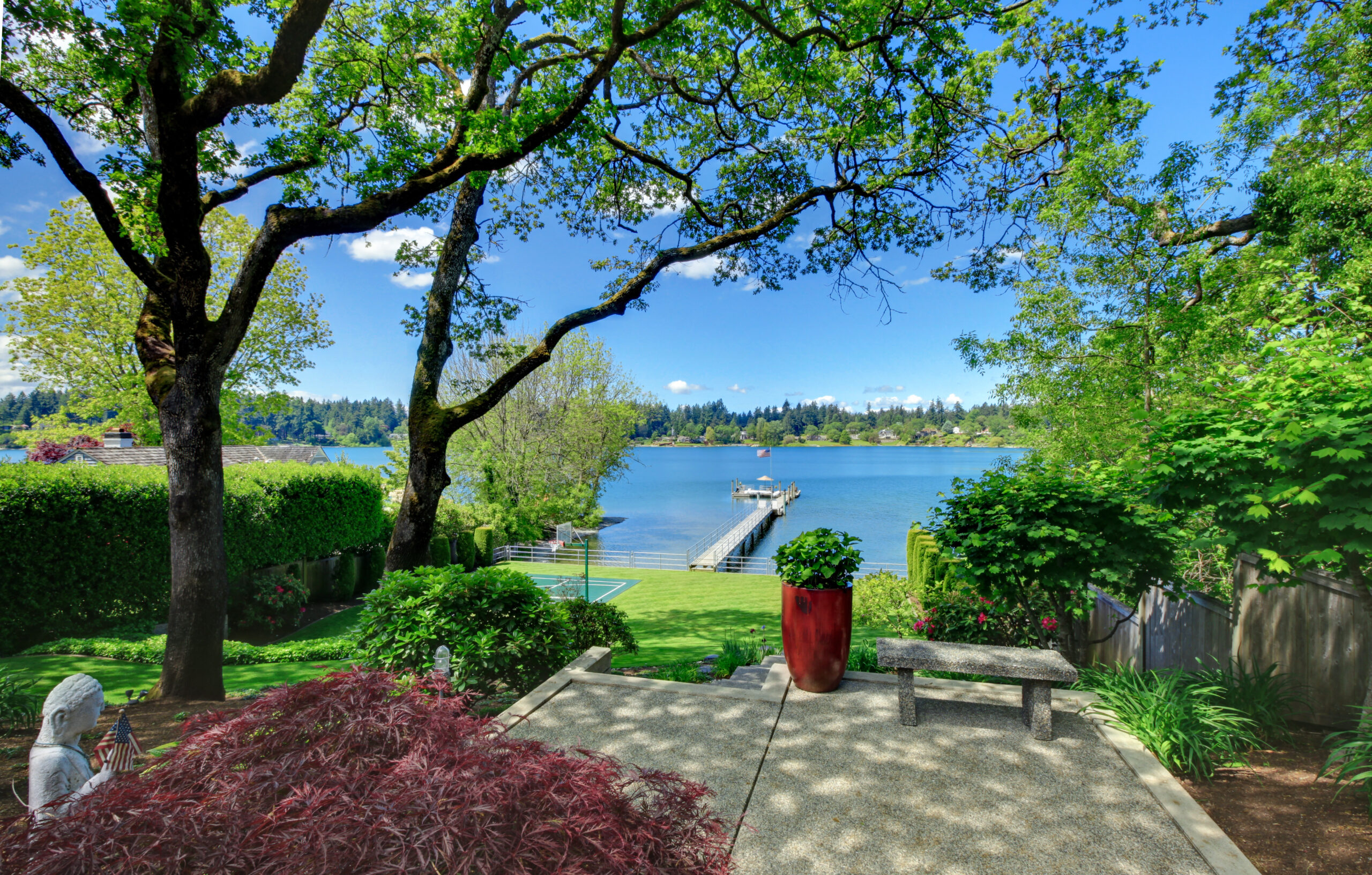
Why the Backyard Matters for Tichigan Lake Buyers
Tichigan Lake is a beautiful place to live, boat, and relax. Yet lakefront and near-lake lots often come with unique features and responsibilities. Your backyard can affect your insurance, your ability to add a fire pit or patio, where a dock can go, and even what you can plant. It can also hint at hidden costs like erosion control, septic repairs, or shoreline restoration. When you shop for tichigan lake homes for sale, give the backyard the same attention you give the kitchen and primary suite.
Quick Backyard Checklist for Tichigan Lake Properties
- Confirm shoreline rules, setbacks, and permits.
- Evaluate water access, dock rights, and lake entry conditions.
- Check flood zone status and backyard drainage.
- Locate septic, well, and utility components.
- Assess trees, native plants, and invasive species.
- Inspect retaining walls, seawalls, and hardscapes.
- Verify lot lines, easements, and encroachments.
- Look for wildlife activity and pest damage.
- Review lighting, privacy, and noise patterns.
- Understand HOA or lake district limits and local ordinances.
- Spot seasonal wear like ice, thaw, and high-water effects.
- Estimate upkeep and long-term improvement costs.
Shoreline Rules and Setbacks
Know the basics before you plan improvements
Wisconsin shoreland zoning controls what you can do close to a lake. Many properties near the Ordinary High Water Mark have setbacks, caps on impervious surface, and vegetation standards. Racine County and the Town of Waterford can also have local requirements. Before you buy, learn how these rules apply to your backyard. If you want a larger patio, a path to the water, or a new fire pit, permits may be required. Legacy Realty Group guides buyers through what is typical and helps you connect with the proper offices if you need specifics.
What to verify during your showing
- Distance from the home and hardscapes to the waterline.
- Any recent shoreline projects and visible permit tags.
- Presence of vegetative buffers and whether they meet standards.
- Impervious surfaces like asphalt, concrete, and solid pavers within the shoreland area.
Water Access, Docks, and Lake Entry
Riparian rights and shared access
Not every property directly touches the water. Some homes near Tichigan Lake use shared paths or outlots to reach the lake. Others have limited frontage or narrow access. Ask whether dock rights transfer, what size or type of pier is allowed, and whether the dock location stays stable through the season. Wisconsin often requires permits for certain types of docks or lifts. A quick conversation with the seller and a review of records will clarify your options.
Inspect the shoreline for safe use
- Lake bottom near the shore: sandy, rocky, or mucky, which impacts swimming and wading.
- Depth at the end of the dock for boating and lifts.
- Condition of steps or paths to the water for safety and erosion.
- Storage space for kayaks, paddles, and life jackets.
Flood Zones and Drainage
Check the map and check the yard
Look up FEMA flood maps to learn if the home sits in a special flood hazard area. Lenders may require flood insurance in certain zones. Even if the property is outside the high-risk area, the backyard slope and soil can cause pooling or runoff. Watch how the land directs water. During a showing, scan for stained fencing, bare soil channels, or riprap placed to control washouts. Walk the yard after a rain if possible.
Simple signs of drainage problems
- Standing water or soggy patches in low spots.
- Moss on concrete, which often points to shade and moisture.
- Mulch mounded high against foundations and shifting pavers.
- Downspouts that end near the shore without splash blocks or extensions.
Septic, Well, and Backyard Utilities
Know where systems are and how they are maintained
Many lake-area homes rely on private wells and septic systems. The backyard often hides a septic tank lid, a lift pump, or a drain field. Wisconsin requires regular septic maintenance and inspections. Ask for service records and confirm the location of components so you do not damage them with heavy vehicles or new patios. Well water tests for bacteria and nitrates are a smart step before closing. Also look for gas lines, buried electric, and irrigation systems so you understand where you can dig.
What to ask the seller
- Age and last service date of the septic system.
- Frequency of pumping and any recent repairs.
- Well depth and last water quality test.
- Locations of underground lines, controls, and shutoffs.
Trees, Vegetation, and Invasive Plants
Healthy trees add value and shade
Mature trees are a gift on summer days, but they need care. Check for dead limbs, woodpecker holes, fungus growth, or heavy lean toward the house or dock. Species matter. Ash trees may face emerald ash borer issues. Cottonwoods and willows can be messy near the water. Trimming near the shoreline can be regulated, so know the rules before cutting.
Native buffers protect the lake
Native grasses, shrubs, and deep-rooted plants stabilize soil and filter runoff. They also reduce geese traffic compared to large open lawns. A healthy buffer is often encouraged and can lower long-term maintenance. If the yard is all turf down to the water, factor in erosion risk and future planting needs.
Spot common invasives around Tichigan Lake
- Buckthorn thickets that crowd out natives.
- Japanese knotweed that spreads quickly along banks.
- Phragmites or purple loosestrife in wet areas.
- Reed canary grass creating monocultures near the shore.
Retaining Walls, Seawalls, and Hardscapes
Look for movement and maintenance needs
Retaining walls and seawalls manage slope and wave action, but they age. Check for bulges, cracks, loose stones, and leaning sections. Timber walls can rot where boards meet the soil. Concrete can spall from freeze-thaw. If a wall fails, repairs may be costly and could need permits. Paver patios should sit flat with tight joints. Uneven pavers can signal poor base prep or drainage issues.
Paths and steps to the water
- Stable treads with secure handrails where needed.
- Non-slip surfaces for wet conditions.
- Vegetation planted along edges to reduce erosion.
- Landing areas large enough for safe turns while carrying gear.
Lot Lines, Easements, and Encroachments
Survey clarity avoids neighbor disputes
Backyards along the lake can have odd shapes. Ask for a recent survey and locate markers. Look for fences, sheds, or landscape beds close to the line. Verify if neighbors share a path or maintain a shared dock. Utility or drainage easements can limit where you may build. Legacy Realty Group can help you review these items, and when needed, connect you with local surveyors to confirm boundaries before you close.
Wildlife, Pests, and Backyard Wear
Nature is part of lake life
Geese, muskrats, and other wildlife are common near water. Muskrats can burrow into banks and damage seawalls. Look for burrow holes and collapsed edges. Large goose populations leave droppings and can chew turf. Consider how you will manage them with plant buffers, fencing, or humane deterrents. Also scan for carpenter ant activity in wood structures and check shoreline timbers for rot.
Lighting, Privacy, and Noise
Backyard comfort after sunset
Low-glare, warm lighting makes a lakeside backyard feel welcoming. Confirm that fixtures are not blasting light across the water or into a neighbor’s home. For privacy, evaluate sightlines from adjoining lots and public access points. A mix of fencing, shrubs, and trees can create a natural screen, but always check local rules for height and placement near the shoreline.
Noise changes with season and wind
Boat traffic, live music from shoreline venues, and gatherings carry across water. Visit at different times and on weekends if possible. Listen from the backyard as wind shifts. If the home sits near a busy launch, expect more activity on warm days and holidays.
Local Rules, HOAs, and Lake District Guidance
Know the playbook before you buy
Some neighborhoods near Tichigan Lake have HOA rules about fencing, docks, and short-term rentals. The lake and nearby municipalities may also have ordinances about hours for power sports, shoreline work windows, and vegetation removal. When you find tichigan lake homes for sale you love, ask for HOA documents, contact information, and recent meeting notes. Legacy Realty Group helps clients track down key details so expectations match everyday life on the lake.
Seasonal Wear and Ice Effects
Winter and spring tell a story
Ice heave can shift seawalls and crack paths. Spring thaw reveals low spots and clogged culverts. Look for wave-splash marks on walls, drift lines of debris at the high-water edge, and stains that show how far water rose in recent years. Ask for photos of the yard across seasons. If the seller stored docks or lifts on the lawn, check for ruts or compacted soil that might need repair.
Budgeting for Upkeep and Improvements
Plan for annual and long-term costs
- Annual: lawn care, leaf cleanup, native buffer trimming, dock install and removal.
- Every few years: tree pruning, paver leveling, resealing wood structures.
- Long-term: retaining wall replacement, shoreline restoration, patio or deck rebuilds.
- Professional services: well testing, septic pumping, and erosion control.
Ask contractors for ballpark estimates before you close if you see issues. Building a simple improvement plan helps you prioritize and keeps the backyard safe and enjoyable.
Smart Questions to Ask the Seller
- Have you had erosion or flooding in the backyard?
- What permits were pulled for shoreline or patio work?
- Do dock rights and lifts convey with the property?
- Are there any HOA or lake district rules that limit landscaping or fencing?
- Where are the septic and well, and when were they last serviced?
- Any past wildlife or pest problems that required control measures?
Final Walk-Through Tips Focused on the Backyard
Use your last chance to confirm condition
- Ensure sellers removed all debris, dock parts, and chemicals.
- Test exterior outlets, hose bibs, and landscape lighting.
- Check that gates latch, steps feel solid, and railings are secure.
- Look for new puddles after rain and recheck downspout extensions.
How Legacy Realty Group Helps Lake Buyers
Legacy Realty Group is based in Waterford at 401 N. Milwaukee St, Suite 1, and serves buyers and sellers across Southeastern Wisconsin. When you search for tichigan lake homes for sale, you deserve a team that understands the shoreline, the rules, and the lifestyle. Our brokers and agents bring deep experience to every showing and negotiation. We use advanced tools, featured listings, map searches, and open house resources to help you find the right home near the lake. If you plan to sell, we provide tailored marketing, market analysis, and guidance designed to maximize your results.
Our team includes professionals like Tim Vandeville Jr., Broker and Owner, and Rae Ann Peters, Broker Associate, along with dedicated Realtors who offer personalized support. We believe in a tradition of trust and long-term relationships. That means we help you ask the right questions, read the fine print, and spot backyard details that others might miss. When you need a referral to surveyors, well and septic experts, or shoreline contractors, we can point you in the right direction. Learn more at trustinlegacy.com.
Putting It All Together: A Backyard Game Plan
Step-by-step path to a confident purchase
- Walk the yard with a copy of the checklist from this guide.
- Take photos of shoreline features, drainage spots, and any cracks or leaning walls.
- Request permits, service records, and HOA documents early in your review period.
- Order water testing and septic inspections where appropriate.
- Talk with neighbors about seasonal water levels and typical boat traffic.
- Confirm flood zone details with your lender and insurance agent if needed.
- Price out any fixes with local contractors before your inspection contingency ends.
- Review findings with your Legacy Realty Group agent and craft a strategy for repairs or credits.
Common Red Flags to Pause On
- Significant shoreline erosion or collapsing walls without recent engineering plans.
- Standing water across large areas of the lawn, especially near the home or septic field.
- Unpermitted patios, decks, or walls installed close to the waterline.
- Missing or outdated septic maintenance records and unclear well test history.
- Disputes over dock space or visible encroachments onto neighboring lots.
SEO Corner: Finding the Right Property Near Tichigan Lake
If you are typing tichigan lake homes for sale into your search bar, focus on listings that photograph the backyard well and describe shoreline rules, dock details, and flood status. Use map-based tools to see where the lot sits on the lake and how close it is to launches and parks. Save a few great options, then compare their backyards line by line with this guide. Legacy Realty Group can schedule tours, gather documents, and make sure your top pick delivers the comfort and low-stress upkeep you want.
The Bottom Line
The best time to protect your future backyard is before you buy. The right checks keep your weekends on the water and out of repair mode. From setbacks to septic lids, from dock rights to drainage, a careful look at the space behind the house can make all the difference. When you explore tichigan lake homes for sale, partner with Legacy Realty Group for a smooth, informed path to the closing table. Reach out to our Waterford team to start your search with confidence, insight, and a friendly guide by your side.











Leave A Comment